
Oral And Maxillofacial Surgery On Long Island & New York City
Dental Implants
Our dental implants in New York City and Long Island are one way to replace missing teeth. A small metal post is placed into the jawbone where the tooth used to be, and over time, it gradually fuses with the bone to create a strong base. Once that area has healed, a connector and a custom-made tooth are added on top to complete the restoration.

Bone Grafting
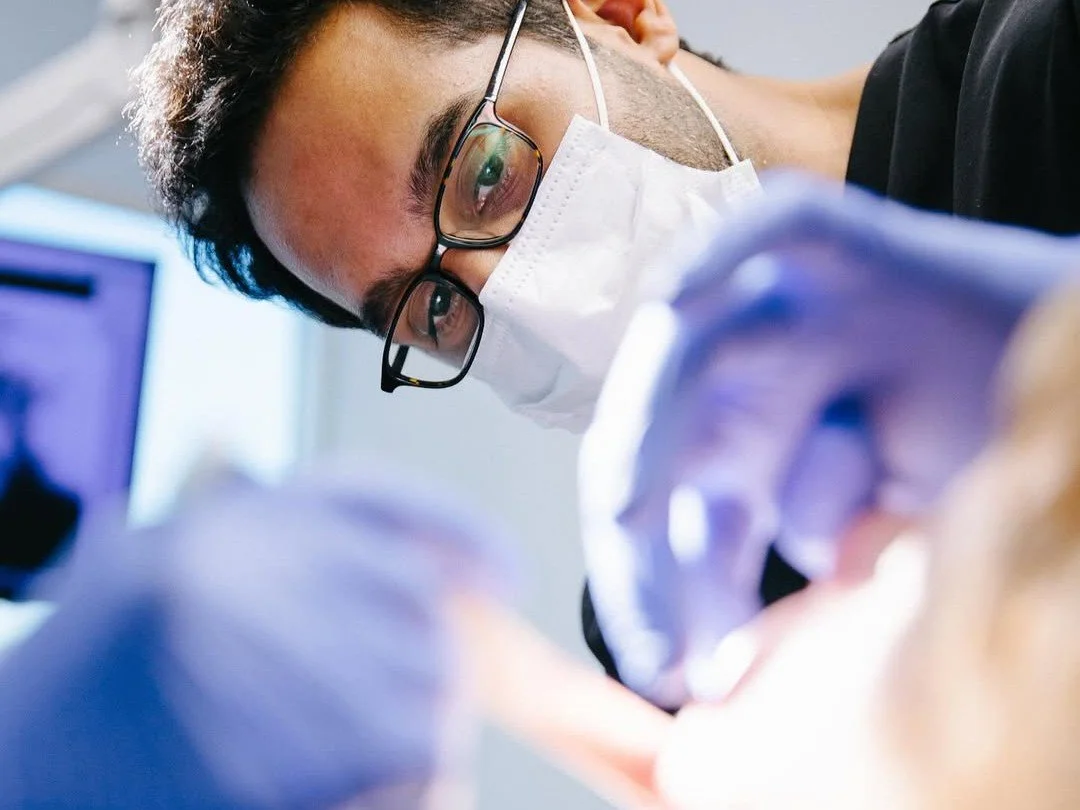
Bone grafting is performed to rebuild areas of the jaw that are too thin, damaged, or have lost sufficient strength to support a procedure such as a dental implant. Bone material from your body or a donor is added to the area to rebuild and strengthen it. Over time, the graft blends with your natural bone, creating a more stable foundation for future treatment.
Wisdom Teeth Removal

Wisdom teeth are the last set of molars to come in, usually at the back of the mouth in the late teens or early twenties. Not everyone needs them removed, but when there isn't enough space, they can become impacted or grow at an angle, affecting nearby teeth. Removal involves carefully taking out these teeth to prevent crowding, discomfort, or other complications.
Tooth Extraction
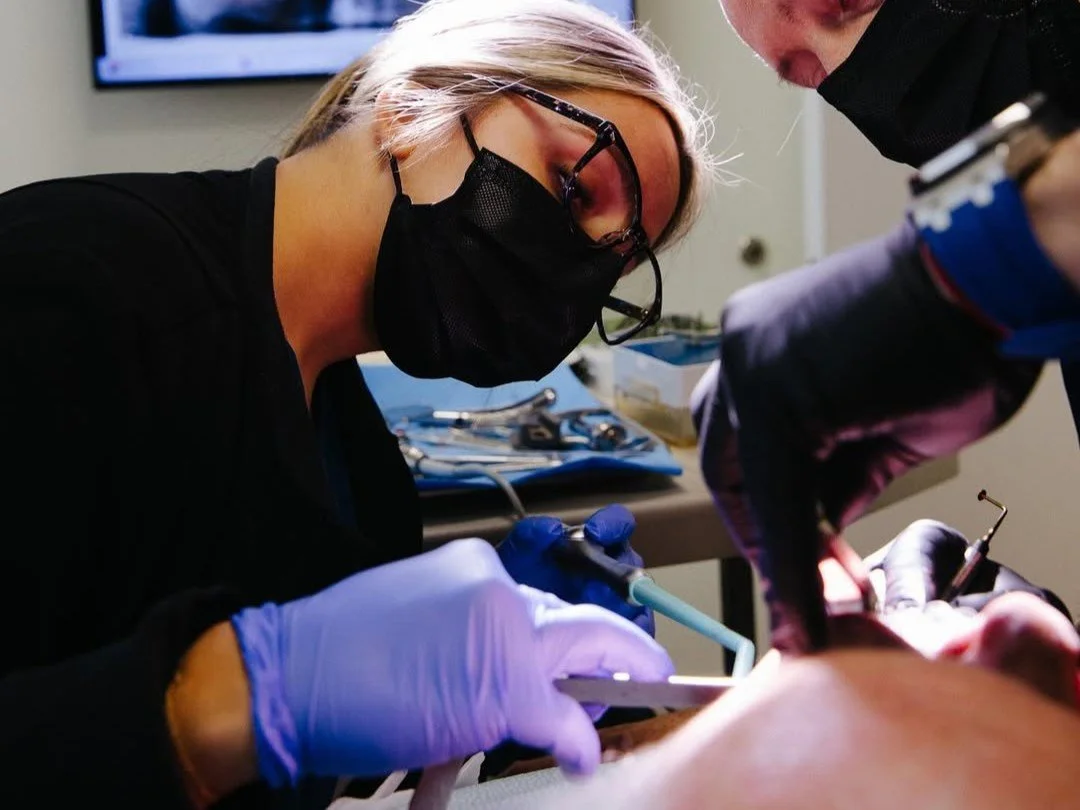
At All County Oral & Maxillofacial Surgery, tooth extractions are performed when a tooth cannot be restored due to damage, decay, or infection. The area is carefully numbed, and the tooth is gently loosened and removed. In some cases, a small section of the surrounding bone may be adjusted to allow for a smoother removal and better healing.
Pre-Prosthetic Surgery

Before dentures or other replacement teeth can sit properly, the mouth sometimes needs a bit of adjustment. We perform Pre-prosthetic surgery to reshape the jawbone or smooth small areas of gum tissue so everything fits more evenly, and the final appliance feels more secure and comfortable.
Oral Pathology
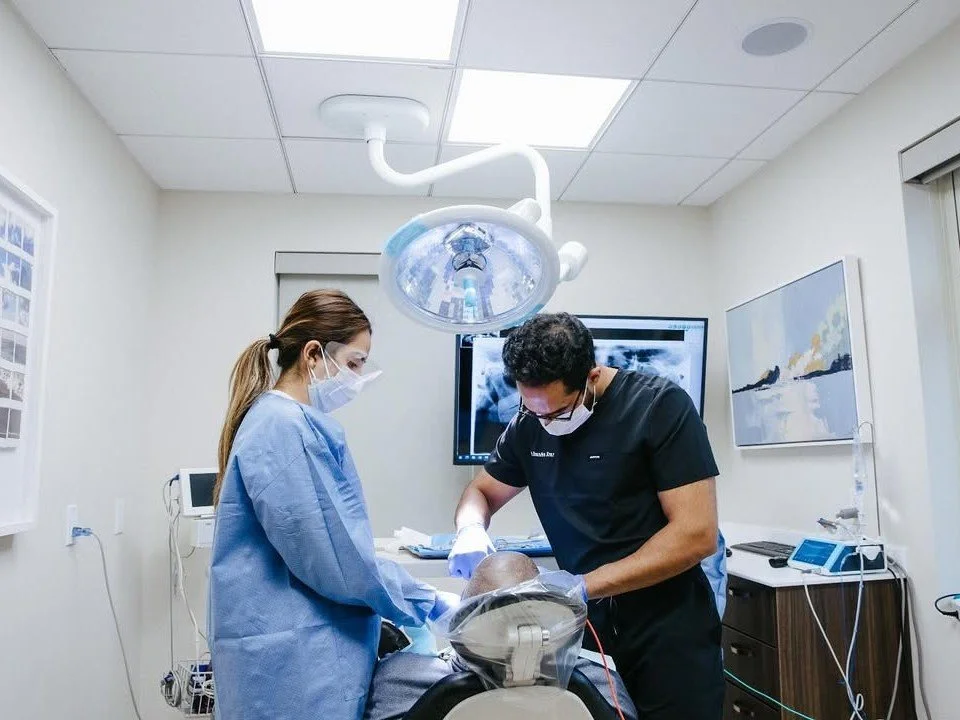
Changes in the mouth or jaw, such as unusual sores, lumps, or patches, often need a closer look. In these cases, a small tissue sample may be taken and examined to understand what's going on. Oral pathology focuses on diagnosing and managing conditions affecting soft tissues and bones, including cysts, infections, and more serious conditions, such as oral cancer.
Botox®

Botox® is used to relax specific facial muscles by administering small, targeted injections into the treated area. In oral and maxillofacial care, we also use Botox to help manage jaw tension, teeth grinding, or TMJ-related discomfort. The treatment is quick, and results develop gradually as the muscles begin to relax.
Sinus Lift

When there isn't enough bone in the upper jaw for an implant, the sinus area may need to be adjusted. We gently raise the sinus membrane and place bone material beneath it to create more space and support. As the area heals, the bone builds up, making it possible to place an implant more securely.
Exposure Of Impacted Teeth

Occasionally, a wisdom tooth or a maxillary cuspid doesn't come through the gums as it should and gets trapped underneath. In this procedure, the gum is gently opened to expose the tooth, making it easier to guide it into the right position. Our oral surgeons will work with your orthodontist to help these teeth erupt and move into place over time.
3D Imaging
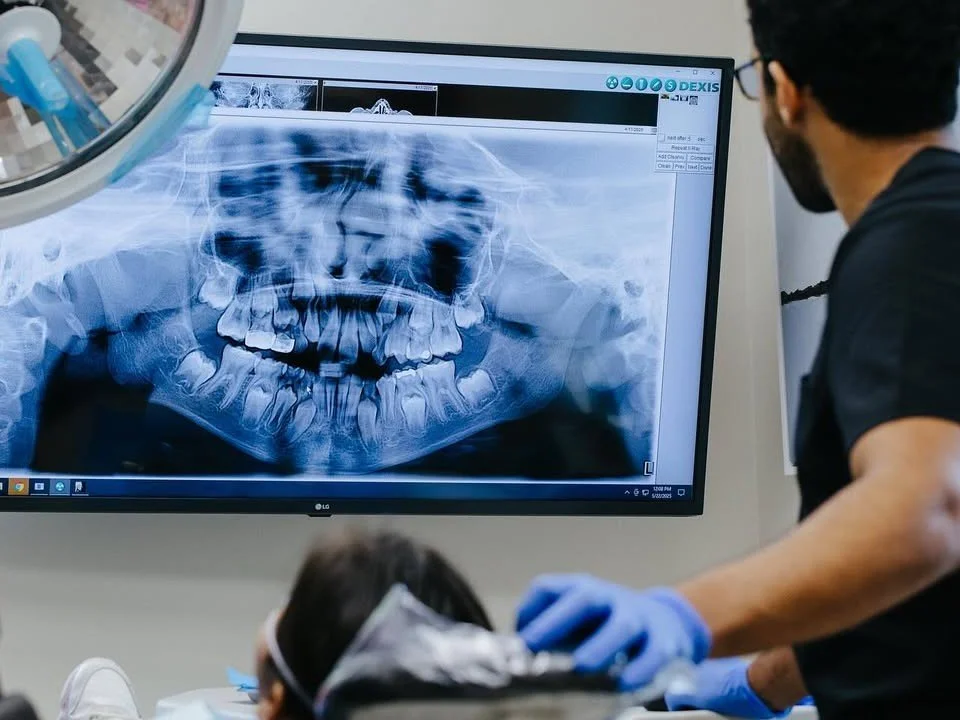
A more detailed view of the teeth and jaw can make a big difference before treatments such as dental implants or wisdom teeth removal. We use the CS 9300 scanner to create 3D imaging, which offers a fuller view of the teeth and jaw than standard X-rays and provides images of the teeth, bone, and surrounding structures from multiple angles.
Anesthesia
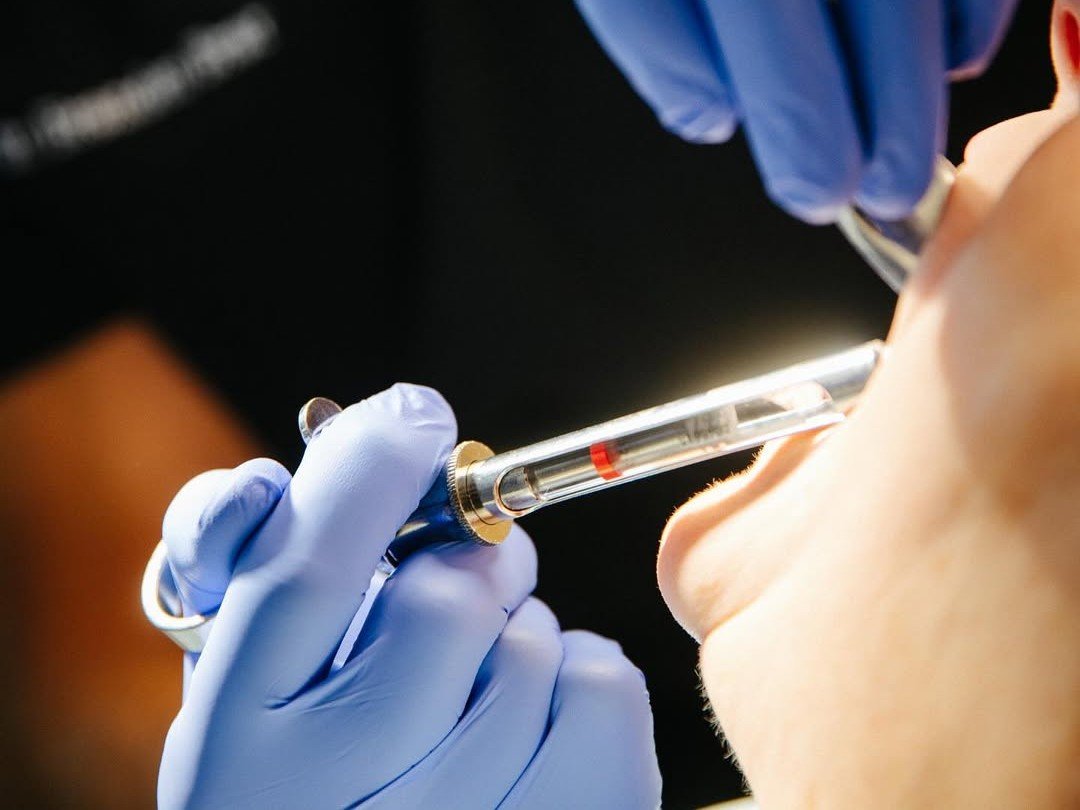
To help you stay comfortable during treatment, we use different types of anesthesia depending on the procedure and your needs. These options can range from local numbing to deeper levels of sedation for more involved procedures or for patients who feel anxious. Our team closely monitors you throughout the process, ensuring your safety and comfort from start to finish.
More Oral Surgery Procedures We Offer
Commonly Asked Questions About Oral & Maxillofacial Surgery
-
Oral and maxillofacial surgery is a specialty that treats problems with the teeth and other facial structures in a way that is both precise and comfortable. It includes procedures such as tooth removal, dental implants, and treatment related to the jaw or oral tissues.
-
Sometimes, something just doesn't feel right with your teeth or jaw, and it's not always clear why. You're usually referred to a maxillofacial surgeon when a dental issue requires care beyond what a general dentist can provide. This can include impacted teeth, missing teeth that require implants, bone loss that requires grafting, or jaw-related concerns. In some cases, it may also be to evaluate infections, unusual growths, or areas that need a closer surgical assessment.
-
Your first visit is usually more of a conversation than a procedure. The area is examined, any X-rays or scans are reviewed (or taken if needed), and what's going on is explained clearly. From there, the next steps are discussed, including the type of treatment needed and whether it can be done the same day or scheduled for later.
-
During the procedure, anesthesia is used to keep you as comfortable as possible. Afterward, some soreness or swelling is expected, but such discomfort is no reason to panic. You'll receive clear instructions and proper aftercare to help you recover quickly.