
Tooth Extraction Isn't The End—How Planning Ahead Protects Your Smile
TLDR
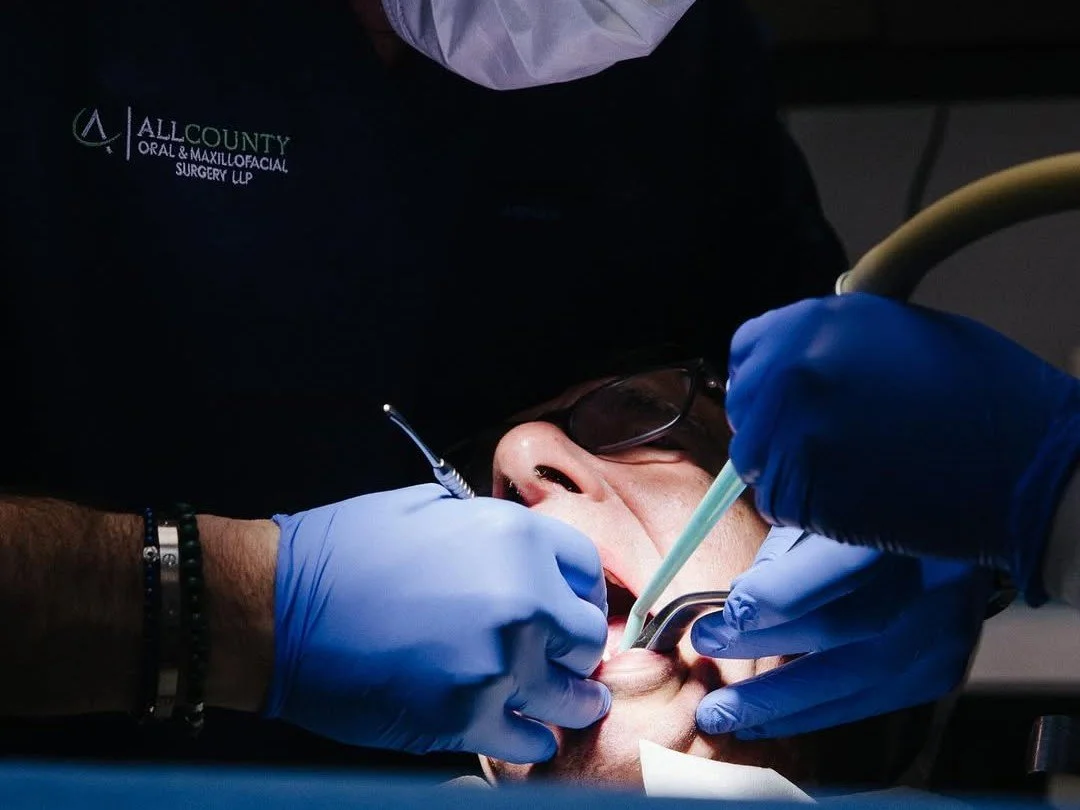
Tooth extraction is typically recommended as a last resort for a severely damaged, decayed, or impacted tooth. After removal, Dr. Chavkin and our expert team of oral surgeons on Long Island and in New York offer comfortable dental implant treatments to fully restore your smile and bite.
If you've been told you need a tooth extraction, it's natural to wonder what happens next. Many patients want to know how long the process takes and what happens to their smile afterwards.
Although the idea of losing a tooth can feel overwhelming, understanding your replacement options can bring clarity and reduce your worries. Dr. Chavkin and our experienced oral surgery team on Long Island and in New York City are here to guide you through every step, helping you choose the solution that best restores your smile and function.
Is Tooth Extraction Always The Last Resort?
In many cases, restorative treatments such as dental fillings or root canal therapy can save a severely damaged tooth. However, when the tooth cannot be preserved, extraction may become necessary.
Tooth extraction is typically recommended when:
The tooth is fractured beyond repair
Severe decay has compromised the structure of the tooth
An impacted tooth is causing pain or infection
Overcrowding requires removal to protect alignment
Advanced gum disease has loosened the tooth
What Happens To Your Mouth After Getting A Tooth Removed?
After a tooth is removed, the surrounding jawbone can gradually lose density because it no longer experiences the natural pressure created by chewing. Over time, this bone loss can change the shape of your jaw and may affect facial support.
To safeguard your oral health and support proper recovery, our oral surgeons serve Manhattan, Brooklyn, Flushing, Melville, Jericho, Astoria, Lake Success, Babylon, and Wall Street, NY, and will provide detailed aftercare instructions and explain tooth replacement options to help retain bone and function.
What Are Your Options For Replacing A Missing Tooth?
Missing teeth can be replaced in several ways. The best option depends on the number and position of the teeth and your overall oral health. Common treatments include:
Removable Partial Denture
A removable partial denture replaces two or more missing teeth and can be easily taken out for cleaning. Traditional partial dentures are held in place by clasps, adhesives, or suction from the gums. Implant-supported dentures attach to dental implants for added stability to replace an entire set of missing upper or lower teeth.
Partial dentures replace several missing teeth, while full dentures replace all teeth in an arch.
Dental Bridges
A dental bridge replaces one or more adjacent missing teeth and is permanently fixed in place. Unlike partial dentures, it cannot be removed.
A traditional bridge has three main components:
Abutment teeth: Your natural teeth on either side of the gap that anchor the bridge.
Pontic: The artificial tooth that fills the space of the missing tooth.
Crowns: Fitted over the abutment teeth to hold the pontic securely in place.
Bridges require healthy teeth on both sides of the gap to provide proper support.
Dental Implants
Our dental implant treatment on Long Island and in New York City is a long-term solution for replacing a missing tooth that restores both the crown and the root. During the procedure, a titanium post is surgically placed in the jawbone, where it fuses with the bone to provide stable, long-lasting support. While implants are more costly than other options, they offer a natural appearance and restore full function.
For a visual overview of the implant process, watch the short demonstration below.
When Should Dental Implants Be Discussed After An Extraction?
Patients frequently raise the question, "at what point in my tooth extraction recovery should I start preparing for a dental implant?"
In many cases, implant placement is considered 1 to 4 months after extraction to allow proper healing. This allows the jawbone and surrounding tissue enough time to heal properly.
Some patients may be candidates for same-day implants, depending on tooth position, bone density, and infection risk.
Plan Your Tooth Replacement With All County Oral & Maxillofacial Surgery
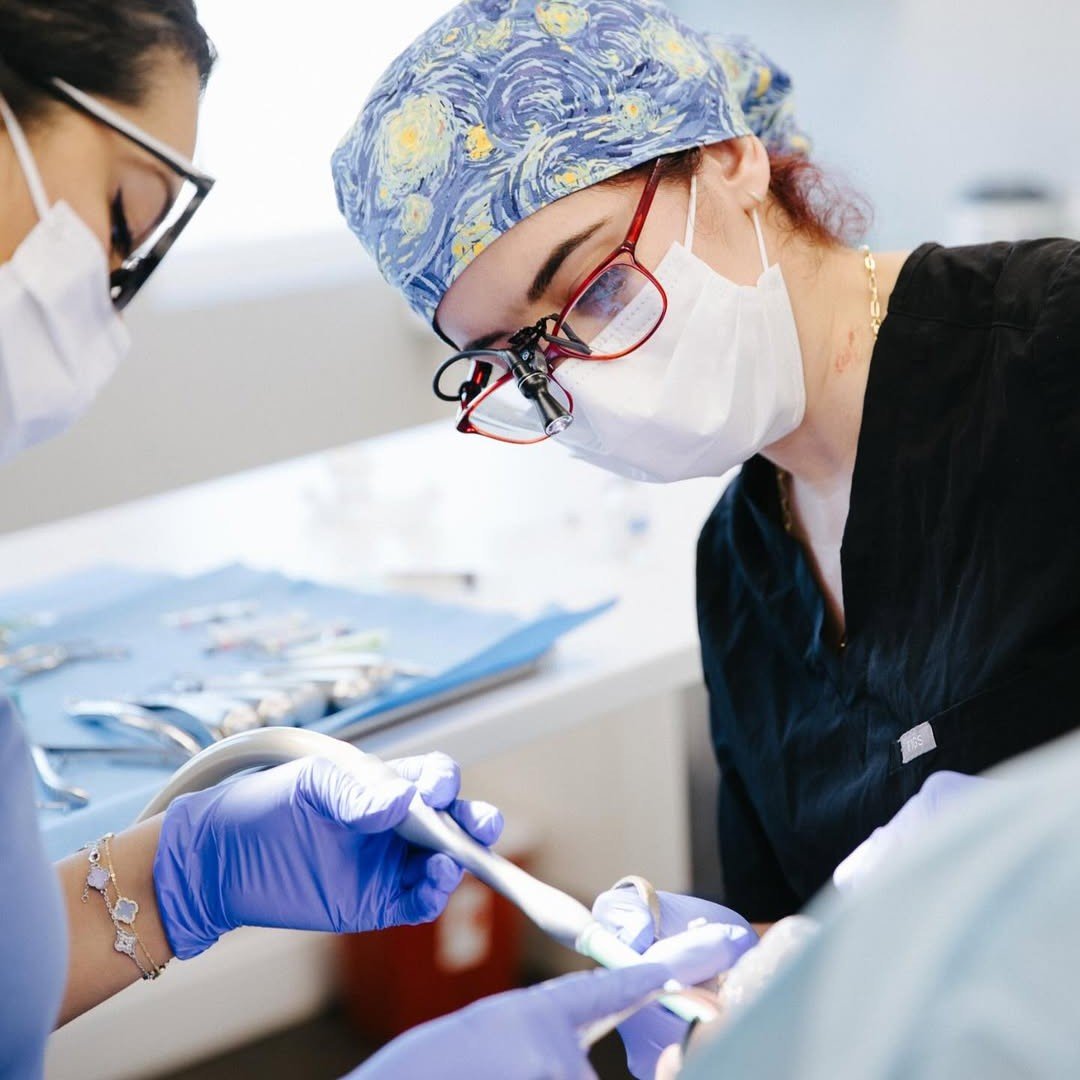
Tooth loss can feel overwhelming, but planning ahead makes all the difference. It's possible to keep your smile healthy and beautiful, even after a tooth is lost. Our skilled oral surgeons at All County Oral & Maxillofacial Surgery provide compassionate care for tooth extractions and dental implant replacement.
We make it easy to get expert care by having convenient offices in Manhattan, Brooklyn, Flushing, Melville, Jericho, Astoria, Lake Success, Babylon, and Wall Street, NY. Our team will evaluate your teeth and create a personalized tooth replacement plan to restore both function and confidence in your smile.
Schedule an appointment at your nearest office today and take the first step toward protecting your smile for years to come.
Key Takeaways
Tooth extraction can lead to bone loss, shifting teeth, and changes in facial structure.
Tooth replacement options include removable partial dentures, dental bridges, and dental implants.
Dr. Chavkin and our oral surgery team at All County Oral & Maxillofacial Surgery on Long Island and in New York City help patients plan tooth replacement before or immediately after extraction.
Sources
https://my.clevelandclinic.org/health/treatments/17002-dental-fillings
https://www.mayoclinic.org/diseases-conditions/tooth-abscess/in-depth/root-canal/art-20585454
https://my.clevelandclinic.org/health/treatments/22120-tooth-extraction
https://www.allcountyoralsurgery.com/replacing-missing-teeth
https://www.healthline.com/health/dental-and-oral-health/partial-denture#what-are-they
https://my.clevelandclinic.org/health/diseases/21482-gum-periodontal-diseasehttps://www.allcountyoralsurgery.com/solutions-for-missing-all-lower-teeth
https://my.clevelandclinic.org/health/treatments/10921-dental-bridges
https://www.allcountyoralsurgery.com/dental-implants-melville-flushing-newhydepark-jericho-ny
https://www.colgate.com/en-us/oral-health/bridges-and-crowns/four-types-of-dental-bridges
https://www.healthline.com/health/dental-and-oral-health/titanium-implants